SCOPE Summit 2026 marked a brilliant start to the year for mdgroup, as our team was excited to attend and sponsor this industry-leading event. SCOPE brings together clinical research leaders from across the globe to explore how trials can be delivered more effectively and with patients firmly at the center.
For mdgroup, SCOPE is an important opportunity to connect with the wider clinical research community, exchange real-world experiences and continue important conversations around patient-centered trial design and delivery.
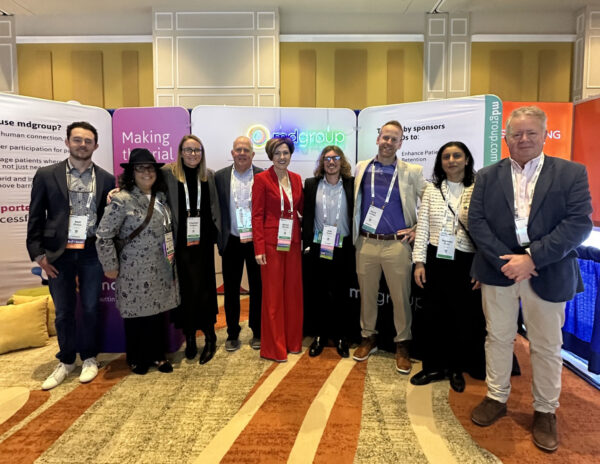 The Summit for Clinical Operations Executives (SCOPE) is recognized for its practical, operations-focused agenda, addressing the realities of running complex clinical trials in an evolving global landscape. From patient engagement and site collaboration to innovation, data, and trial efficiency, SCOPE provides a space for meaningful dialogue grounded in real trial experience.
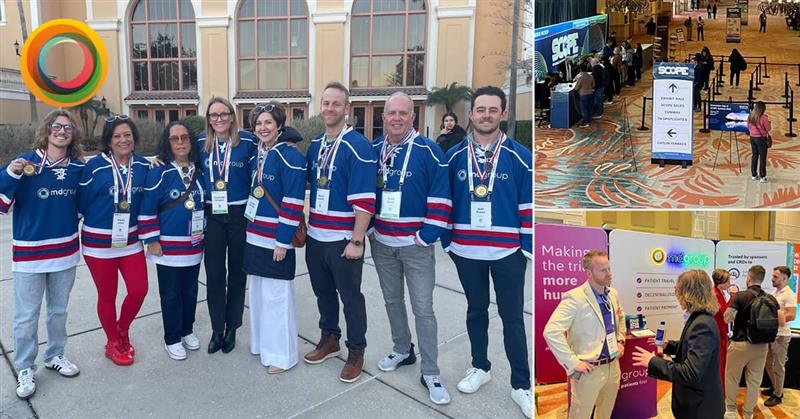
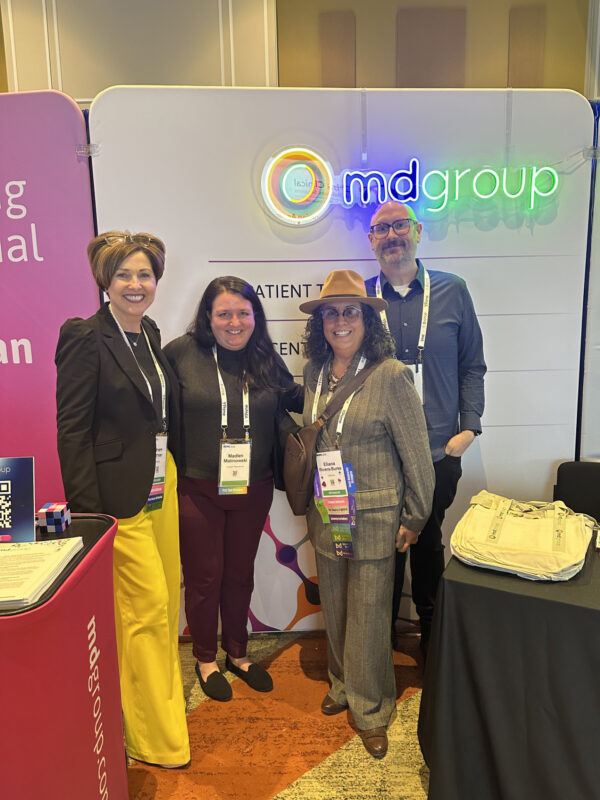
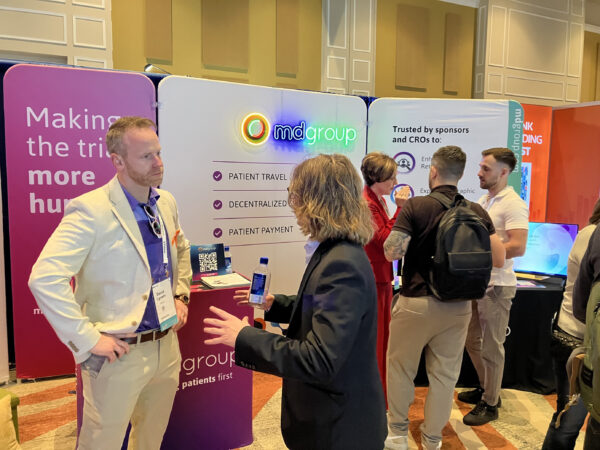
As a proud sponsor of SCOPE 2026, mdgroup was delighted to support an event that brings together professionals committed to improving how clinical trials are designed, delivered and experienced. Throughout the week, our team welcomed attendees to our booth, where conversations focused on reducing patient burden, strengthening engagement, improving patient retention and helping sites and sponsors deliver trials that work better for everyone involved.
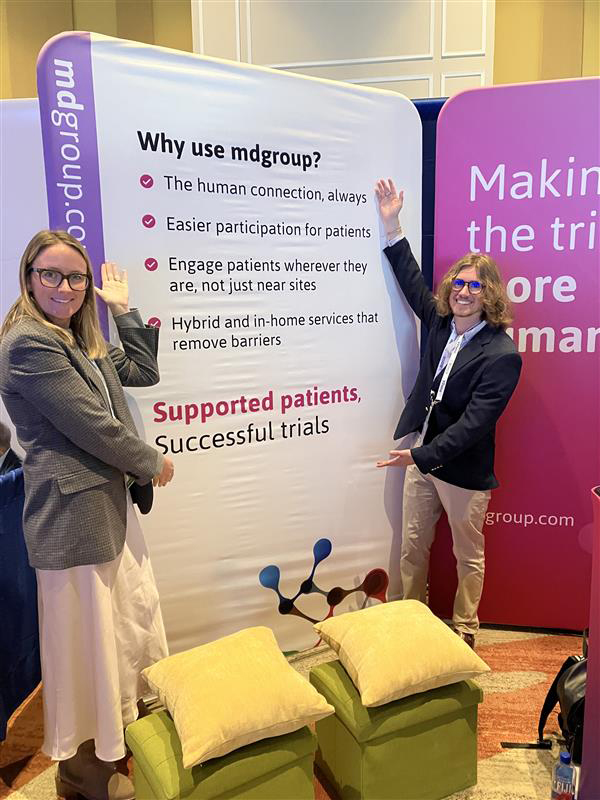
At the SCOPE summit with mdgroup
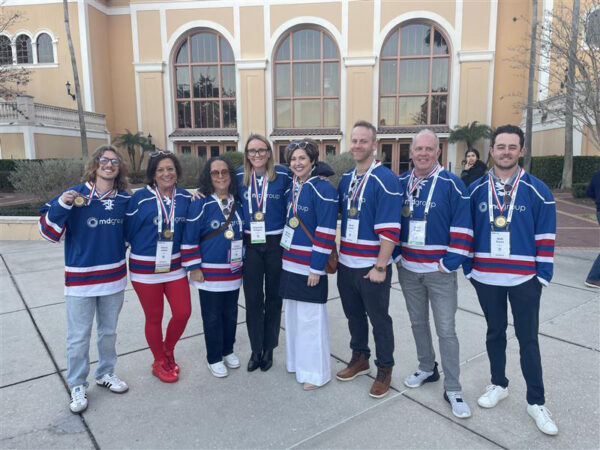
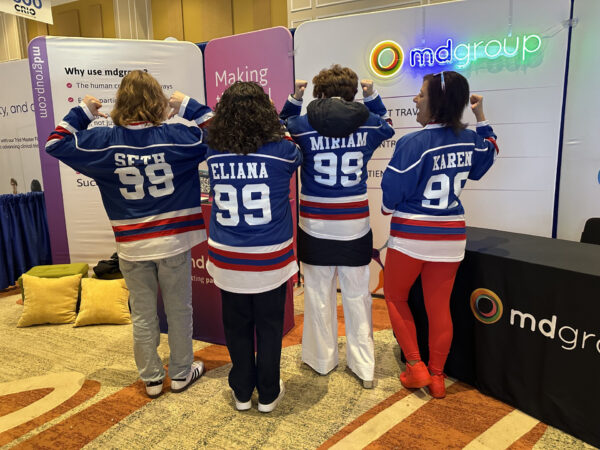
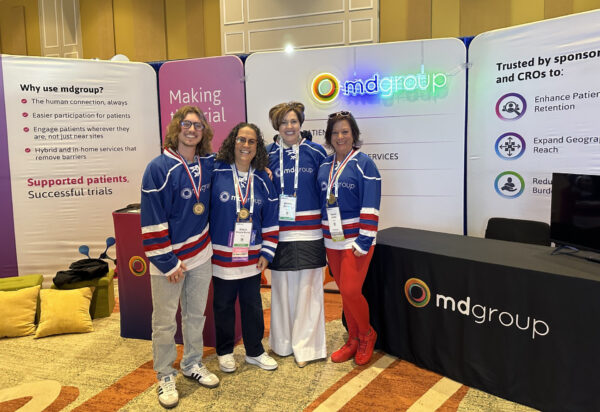 SCOPE 2026 was an energizing and genuinely memorable experience for the mdgroup team. From the moment the conference opened, the atmosphere was collaborative, welcoming and just full of momentum. The event’s fun “Winter Games” theme for the opening ceremony and created a relaxed environment that encouraged open conversation and connection.
Our booth quickly became a lively meeting point throughout the event as people followed the glow to our neon mdgroup sign. From early morning conversations to end-of-day reflections, we welcomed sponsors, CRO representatives, site leaders and patient engagement specialists who were keen to explore practical ways to reduce patient burden and improve retention. Many discussions centered on the same fundamental question of how to move from talking about patient-centricity to operationalizing it.
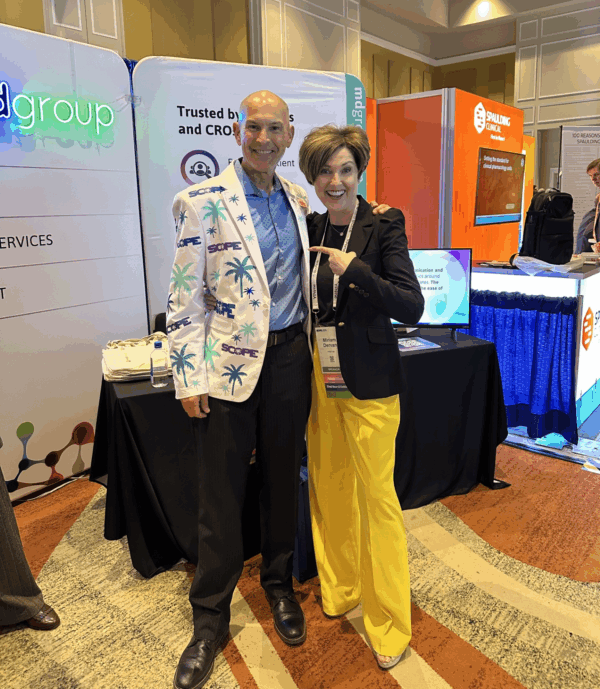 It was particularly valuable to reconnect with long-standing partners while also forming new relationships with organizations looking to embed more flexible, supportive approaches into their trial strategies. The consistency of the message across these conversations was striking, successful trials increasingly depend on understanding the lived realities of patients and designing support structures around them.
Our Founder & CEO, Miriam Dervan, was onsite throughout the event, attending sessions, engaging in panel discussions and meeting with partners across the industry. Her presence at SCOPE reflected mdgroup’s continued commitment to being part of the strategic conversations shaping the future of clinical research. Miriam also shared her reflections from the week on LinkedIn, highlighting why investing in patients is no longer optional, it is fundamental to delivering efficient trials.
Breakout spotlight with PTC Therapeutics: Investing in Patients – The Impact on Trial Delivery and Outcomes
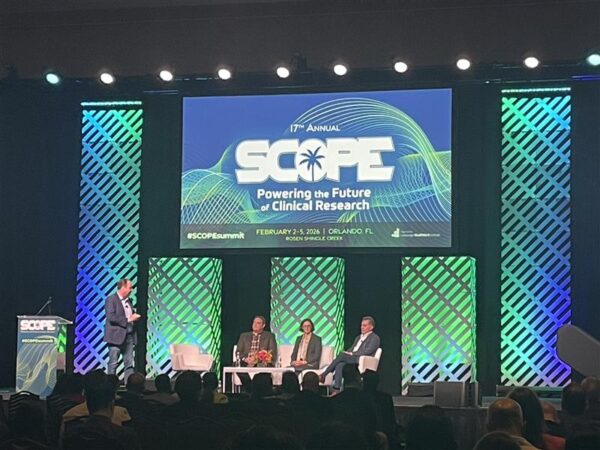
 A key highlight of SCOPE 2026 was mdgroup’s collaborative breakout session with a global biopharmaceutical company, PTC Therapeutics.
PTC Therapeutics is committed to providing access to best-in-class treatments for patients with little to no treatment options. This mission underpins their focus on the discovery, development, and global commercialization of clinically differentiated medicines for those with rare diseases. As a patient-centric, global pharmaceutical company, they combine clinical and scientific expertise with groundbreaking science and technology, always with the patient in mind.
The discussion was framed around what investing in patients genuinely looks like and what the impact is on trial delivery and outcomes. Miriam Dervan, Founder & CEO of mdgroup, joined Erin Finnegan, R&D Outsourcing Director at PTC Therapeutics, to examine how patient support was embedded in partnership into some complex studies.
Rather than approaching patient experience as a secondary consideration, PTC made a deliberate decision to integrate supportive services during protocol design. This included in-home care options, logistical flexibility and practical measures designed to reduce the everyday challenges faced by patients and caregivers participating in demanding neurological trials. Working alongside mdgroup, the team integrated enabling services directly into the study framework.
 Key themes included:
- The importance of engaging patient communities early in study planning
- Recognizing the day-to-day realities faced by individuals living with rare and neurodegenerative diseases
- The role of enabling services in strengthening retention and protocol adherence
- How study confidence influences long-term engagement
What we learned is that when patient support is treated as a strategic investment rather than an optional add-on, it strengthens not only the participant experience but overall study performance.
The discussion also highlighted the growing recognition that retention, further recruitment and sponsor reputation are closely linked to how patients feel throughout the trial journey. In rare disease communities, especially, word-of-mouth and advocacy networks play a powerful role in shaping future participation.
You can read the full session recap here.
“If we forget about the patient, we forget why we are here”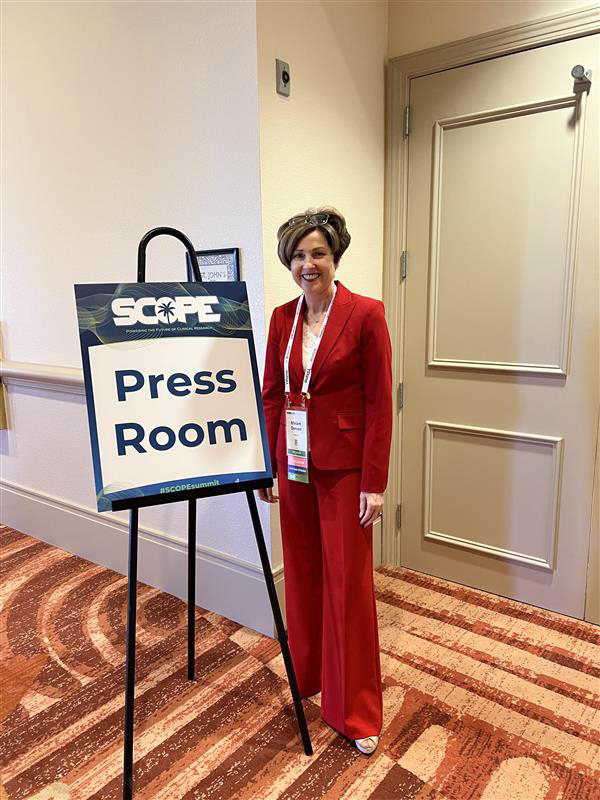
In addition to mdgroup and PTC Therapeutics breakout session, Miriam also took part in an interview with Applied Clinical Trials, where she shared mdgroup’s perspective on why supporting patients in practical, compassionate ways leads to stronger trial performance.
The conversation, recorded live at SCOPE, explored what truly changes when patient experience is treated as a strategic investment rather than a supporting activity.
When asked what shifts operationally, Miriam reflected on how far the industry has come:
“For far too many years, we haven’t really been thinking about the patient. I’ve been in the industry for a long time, and it’s great to know now that from an operational perspective, our sponsors and our clients are focusing on the patient. […] From an investment perspective and an operational perspective, we have to be out there, talking to the sites, meeting with the patients and the patient advocacy groups and talking to them. That’s also an investment.”
Miriam emphasized that operational change begins at the design stage. Engaging patients early, understanding their pain points, and listening to site teams creates studies that reflect real-world needs rather than theoretical models.
The discussion also explored how prioritizing patient support influences recruitment and retention in complex studies:
“It’s very complex, but it’s very easy at the same time. It’s listening to the patient. Every patient is different within every trial.”
Drawing on real examples, Miriam highlighted how support must be personalized. A patient in the early stages of Parkinson’s may not require transport assistance, while another in later stages may depend on it. Considering individual circumstances, not just protocol requirements, is what strengthens engagement.
She also shared the story of a rare disease patient and single mother who had to withdraw from a study due to rigid scheduling. With appropriate logistical support, that outcome may have been different. A reminder that retention is often directly linked to practical, compassionate flexibility.
When asked what will distinguish “best in class” patient experience in the years ahead, Miriam offered a powerful perspective shaped by nearly four decades in clinical research:
“Clinical trials are not just data points. They are lives, their stories, their hopes, and they are cures. If we forget about the patient, we forget why we are here. So if we care for the patient, the science will follow. Whatever and whoever sponsors follow that and care for the patient, they are the best in class.”
She underlined the fact that patient-centricity is no longer about language or intent. It is about operationalizing empathy, embedding compassion, respect and practical support into the way trials are designed and delivered every day.
What we learned – session highlights from the summit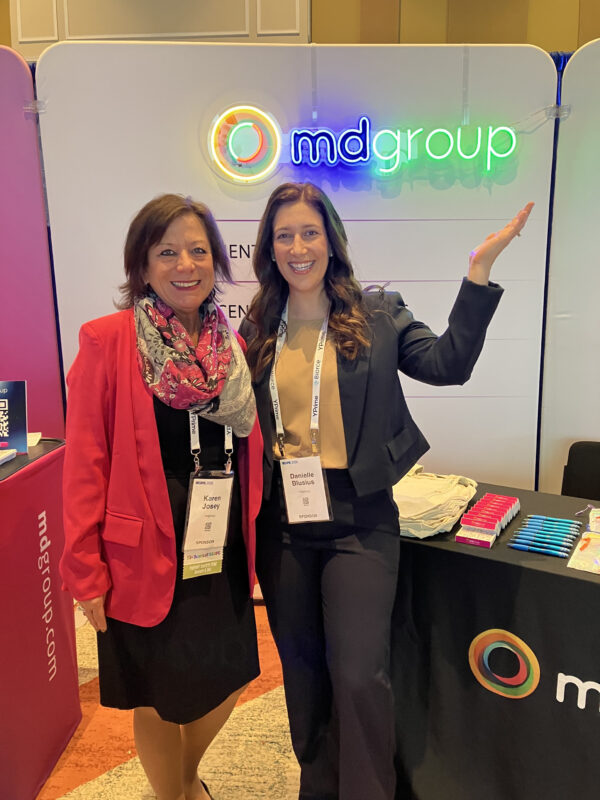
Beyond our own breakout session, the mdgroup team attended a range of insightful sessions covering patient engagement, trial design and the future of clinical operations.
Our Director of Business Development, Karen Josey, attended several standout sessions and captured key insights from across the program, highlighting emerging trends, shared challenges, and evolving best practices shaping the next generation of clinical trials.
Expanding Research Participation through Local HCPs
This panel, moderated by Jane Myles of the Decentralized Trials & Research Alliance (DTRA) and Vice Chair of The Myositis Association Board of Directors, explored how local healthcare professionals (HCPs) can play a greater role in clinical research, even when not acting as principal investigators.
Panelists from UCB, Konovo, Mayo Clinic and Eli Lilly & Co. discussed the practical realities of engaging community-based HCPs earlier in protocol design.
A key theme was the importance of bringing HCPs into conversation at the earliest stages of trial development. By engaging physicians and community providers during protocol planning, sponsors can better understand workflow realities, identify feasibility challenges and design studies that integrate more naturally into everyday care.
The discussion also highlighted alignment with FDA guidance on decentralized clinical trials and point-of-care models. Working within communities, and enabling trials to take place where patients already receive care, can strengthen trust, improve accessibility and expand participation among underrepresented populations.
For mdgroup, the message resonated strongly as meaningful patient engagement often begins with empowering the local professionals patients already know and trust.
Change Management for AI Adoption in Pharma Clinical Development Teams
A later keynote interactive panel, moderated by Mike Sullivan of Bristol Myers Squibb, examined one of the most pressing questions in clinical development today: not whether AI will shape the future of trials, but how organizations manage the change required to adopt it effectively.
Speakers from AbbVie, Amgen and Pfizer Inc. shared practical perspectives on embedding AI across data oversight, patient recruitment and operational decision-making.
Rather than focusing solely on technology, the panel centered on people, process and culture. Upskilling teams, aligning stakeholders and building trust in AI-driven tools were identified as essential to achieving measurable impact.
Karen noted the strong consensus among panelists. AI is set to become a powerful enabler across every aspect of clinical trials, from smarter recruitment strategies to enhanced data insight, but success will depend on thoughtful implementation and organizational readiness.
Looking ahead – where to meet the mdgroup team next?
 Events like SCOPE 2026 are a vital part of how mdgroup stays connected to the clinical research community. They allow us to share insights and continue refining how we support patients, sites and sponsors worldwide.
Looking ahead, mdgroup will be attending and exhibiting at a number of upcoming conferences throughout the year. You can check where you can meet our team in-person next in our Conference & Event Calendar.
In addition to in-person events, we have recently launched a series of live webinars, designed to share practical insight, real-world experience and patient-focused solutions with the wider research community.
Our first episode, From Professional to Patient, features Peter DiBiaso in conversation with Miriam Dervan, sharing his journey from senior life sciences executive to patient advocate following his diagnosis of early-onset Parkinson’s Disease.
If you didn’t have the chance to connect with us at SCOPE 2026 – or if you’d like to continue the conversation – we’d love to hear from you. Reach out to our team today.