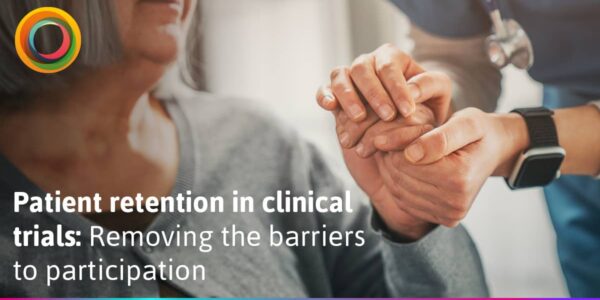

Clinical trials are essential for medical advancements, but for the patients and families involved, the experience can be complex, emotional and challenging. At mdgroup, we understand that a patient-first approach isn’t just a philosophy; it’s a practical necessity that positively impacts every stage of a clinical trial – from recruitment to retention and study completion. By focusing on the unique needs of patients and recognizing the crucial role of their families and carers, we build trust, reduce barriers and foster engagement that leads to better trial outcomes.
In this article, we explore five key reasons why placing the patient at the center works – illustrated with real-world examples, case studies and insights from our work in rare diseases, pediatrics, oncology, hematology, decentralized and hybrid clinical trials and more.
1. Supporting patients and their families builds trust and commitment
Clinical trials don’t just involve patients – they also deeply impact their families and carers who provide critical emotional and practical support. The trial experience can be overwhelming – not just because of medical procedures but due to logistics, uncertainty and the emotional toll on both patients and those close to them. Recognizing this, mdgroup takes an approach that supports not only the patient but also their family network. This creates an atmosphere of empathy and understanding which is vital for sustained engagement.
For example, in pediatric clinical trials, families often face significant challenges balancing care with everyday life, including school commitments and work responsibilities. Our team works closely with families to tailor communication, schedule visits considerately and provide resources that ease their burden. Such attention to family needs has been shown to improve trial experiences significantly. More details can be found in our blog on creating better experiences for families in pediatric clinical trials.
By recognizing the role families play, we foster deeper trust and a sense of shared purpose. This collaborative relationship encourages patients and their families to commit to the trial journey with confidence and reassurance.
2. Personalized patient advocacy encourages long-term engagement
One of the most critical challenges in clinical trials is retention. Keeping patients engaged and enrolled until the study’s completion is essential for the reliability and success of the research. Patients who feel listened to, valued and supported are far more likely to stay committed.
At mdgroup, our patient advocacy teams provide personalized, compassionate support that addresses individual concerns and offers reassurance throughout the trial journey. Patient advocates often become the consistent point of contact, helping participants navigate challenges and answer questions promptly.
The difference advocacy makes can be seen in Kim’s story shared in our blog why patient advocacy matters, where dedicated support transformed a once intimidating process into a hopeful, empowering experience.
Beyond emotional support, practical considerations like patient payments also affect retention. Ensuring payments are transparent, timely and fair helps alleviate financial stress that might otherwise cause participants to drop out. We explore this important factor further in why patient payments matter for clinical trial sustainability.
3. Decentralized and hybrid clinical trials reduce patient burden
Traditional clinical trials often require frequent, sometimes lengthy visits to hospitals or research centers. For many patients – especially those with mobility limitations, rare diseases or living far from trial sites – this creates a substantial burden that can discourage participation.
Decentralized clinical trials (DCTs) and hybrid models address this by bringing care to patients’ homes or local communities, reducing travel and making participation more convenient and comfortable. This not only lessens logistical strain but also provides a more personalized and familiar environment for patients and their families.
Our mobile health nurses are a vital part of this approach, delivering high-quality, in-person care in patients’ homes. This includes collecting vital signs, administering treatments, taking samples and educating both patients and carers. These visits foster meaningful relationships and improve overall experience, which is critical for retention and outcomes.
Learn more about this approach in our blog mobile health nurses at the heart of patient-centered decentralized clinical trials.
Children with complex needs especially benefit from on-demand and mobile health services, enabling their participation in clinical trials without disruption to their routines or increased stress. Our case study innovating pediatric clinical trials illustrates how flexible trial designs and mobile health have opened doors for these vulnerable populations.
4. Removing logistical barriers enables continued participation
Even the most motivated patients can be stopped in their tracks by practical challenges like managing travel, scheduling and reimbursement. These logistical hurdles can increase stress for both patients and families and risk dropout.
Our team of navigators plays a crucial role in alleviating these burdens. Providing tailored logistical support, they coordinate travel, help with paperwork, schedule visits at convenient times and facilitate reimbursements – so patients and families can focus on care without distraction.
This personalized approach is particularly critical in rare disease trials where patients often travel internationally for specialist care. For example, we helped patients with Friedreich’s Ataxia navigate complex travel and reimbursement logistics in a global study, as detailed in supporting patients with Friedreich’s Ataxia case study.
Similarly, the support we provided for a family and patient with Danon disease ensured they could participate fully in the trial without being overwhelmed by the practicalities, as described in providing logistical support to a family and patient with Danon disease case study.
5. Patient satisfaction drives advocacy and trial success
Patient satisfaction is more than a feel-good metric – it is a key predictor of clinical trial success. Happier patients tend to be more engaged, stay enrolled longer and become advocates who encourage recruitment for current and future studies.
mdgroup is proud to maintain a 99% patient satisfaction rate, reflecting the care, empathy and practical support we provide. This level of satisfaction is a testament to our commitment to a truly patient-centered approach.
One of our most compelling examples comes from a young patient, just one year old, who benefited from exceptional family-centered support throughout a long-term trial. This case highlights the impact of compassionate care even in the most challenging pediatric trials, as featured in changing lives creating remarkable long-term trial experiences case study.
Putting it all together for better trials and outcomes
At mdgroup, our patient-first approach underpins all our specialisms, including rare diseases, oncology, hematology and pediatric clinical trials. By integrating personalized advocacy, family-centered support, decentralized and hybrid trial models and expert logistical coordination, we create an environment where patients and their families feel valued, understood and supported throughout their clinical trial journey.
The result is clear: happier, more engaged patients; lower dropout rates; higher recruitment; and ultimately, better clinical outcomes that accelerate medical progress.
For more insights into how mdgroup facilitates remarkable experiences for patients and families every step of the way, visit our homepage and explore our blogs and case studies.