At the heart of patient-centered clinical trials are mobile health nurses who bring care, comfort and clinical expertise directly into patients’ homes.
By delivering procedures with compassion and consistency, mobile health nurses ease the burden on patients and ensure high-quality data collection. Every in-home health visit is a careful balance of precision and empathy, demonstrating how patient-first approaches can make trials more accessible and improve retention.
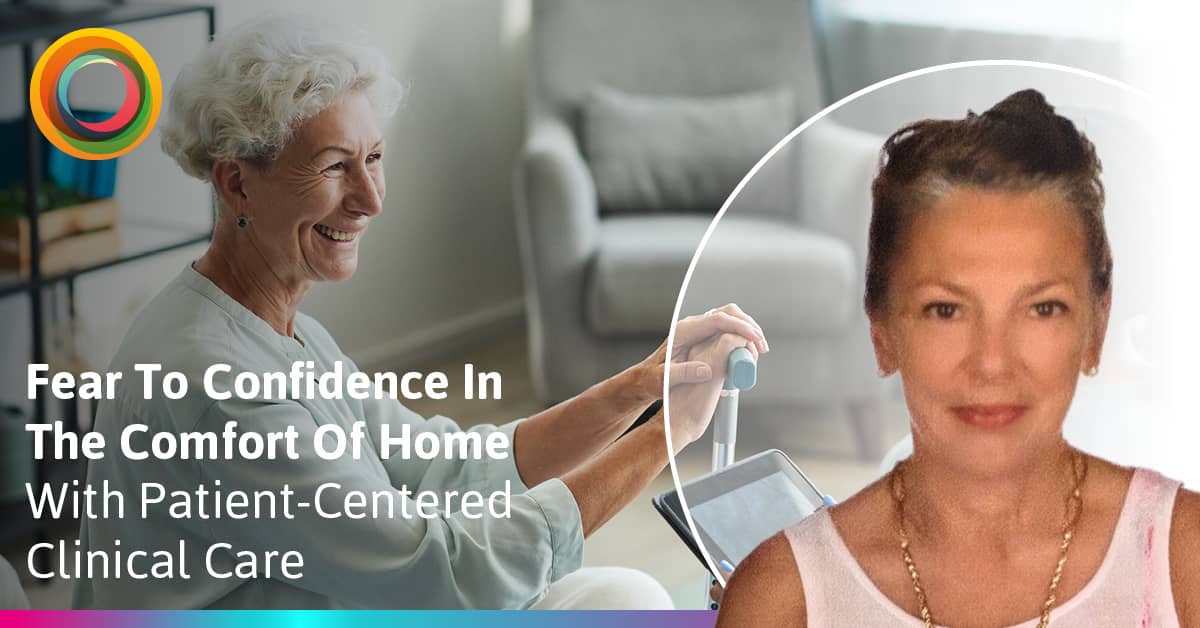
Meet mdgroup mobile health nurse Marleen
We spoke to Marleen Bogaert, an experienced nurse with a background in emergency and intensive care, about her journey into clinical research and mobile health nursing.
After first discovering clinical research through a role as an HIV clinical research nurse, Marleen found her way into mobile health, where she now brings clinical trial care directly to patients’ homes. She shares what it means to build trust with patients, particularly children, and how taking the time to listen and understand their needs can make clinical trial visits feel more comfortable and manageable.
From caring for children to entering the clinical research world
“I always wanted to work with children, so I started to study childcare and while doing this I was in the maternity ward for my internship. During that time, we also had contact with the mothers and the care that they needed at that moment. Talking with the nurses was the point where my interest in nursing started. I started my studies and while doing that, my interest in emergency and intensive care grew.
My first contact with clinical research was taking on an internship opportunity as an HIV clinical research nurse. I loved the job from top to bottom and learned everything from A-Z about clinical research.
Then I saw an opportunity for mobile visits with children, which immediately caught my attention and after an interview, I started my first steps.”
Making patients feel safe at home
“I think the biggest differences about caring for patients in their homes compared to a traditional hospital are personal contact, the time that you can give to your patient to make them at ease and the trust that you get to do all the things necessary for the protocol.
To prepare for a patient visit, I make sure that I have all documents and necessary materials for the visit, for example, testing the tablet, centrifuge etc.
When it comes to the visit, it’s important to make the patients feel at ease in their own environment. Especially with children, it is important to take your time and win their trust so that they agree on the things you are going to do. And actually, I think it is one of the most important things also with adults, that before you start, you explain what is going to be done and why. Also, make sure the patient understands it and agrees with you.
To keep the patient experience front and center throughout the work, I would say being a good listener and preparing the visit well are some of the key points. As well as making sure you have everything you need, discussing with the patient how the visit will go, and checking if they have any questions or needs, for example, to adapt something. It’s also important to have good contact with the site and PI so everything is well communicated.”
Bringing clinical trials care into the home
“Often blood draws and further ECG or treatment administration are the most common procedures I carry out during the visits. Patients feel more at ease in their own environment, not being on their way with traffic jams for hours and waiting in hospitals until it is their turn or have a question.
At home, we are in the patient’s environment which makes them more at ease. There is more time to have a private talk which helps to go over all the things they are struggling with. In hospitals, they tend to forget things because of all the stress and other things around them. It is also a good thing to see in which situations somebody is living, if they have support at home etc. This can then help estimate if the patient has things we can address to help them follow up with what the protocol is asking.”
Helping a child overcome the fear of a blood draw
“I remember very well one little boy who always went to the hospital and got some anesthetic gas to make him sleep but due to COVID this wasn’t possible.
On my first contact with him, he was pale and sweating because he was so scared of the needle. I sat with him for about 45 minutes to put him at ease and to come to an agreement for the blood draw. His mom already made signs that she would grab him but this was not a good idea because I needed several samples.
So after a while his color was getting better, his skin was feeling better and we continued until he said: “I will say OK when you can stick the needle in my arm”.
And after the blood draw, he was walking around so proud of himself that he had let me do the blood draw.”
Being there for patients and their families
“I think that the close contact that you have with your patient, the feeling that they can trust you and talk to you about whatever is bothering them at the moment and how they are always so grateful that somebody takes time to listen are all parts in this role that I find especially rewarding.
With children, you can feel with almost every visit that parents are so happy that you are there. You take some of the weight of organizing visits so that they can take care of the household and other children while you are performing the visit, for which they would otherwise have to drive to a hospital and organize things at home during their absence.
I also remember one pt in an ALS study who passed and the husband thanked me for all the support while she was having difficulties to breathe.
Often, good contact is needed with the patient and the people surrounding them (especially with children but also with adults). Family members are often worried about how to proceed and also they are the ones who support the patients with, for example, the preparation for the visit or with diaries or medication follow-ups. So it is always a plus to have them on board to help the patient to comply with all these things.”
Making clinical trials possible for more patients
“I think more and more studies are implementing home visits, which makes it easier for patients to participate. Otherwise, they would not be able to comply with all the visits and demands.
What I would tell another nurse who’s curious about mobile health is that this job is so helpful to people. It gives patients the opportunity to be treated with often the best and newest therapy which without home visits would not be possible.
I think that decentralized trials will become more and more standard because it brings a lot of possibilities to the patients. Some things that would be impossible because of logistical problems for the patients will give them access to participate in trials that would be otherwise impossible. Patients will be able to agree to trials that are requesting a lot of visits and the burden for them will be more acceptable.”
The difference trust can make
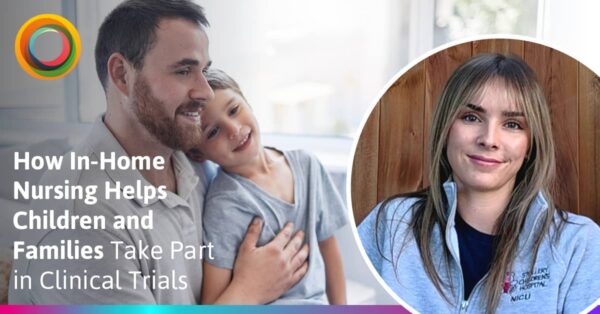 For Marleen, one of the most rewarding parts of being a mobile health nurse is the relationship she builds with patients. Whether she is helping a child feel comfortable before a blood draw or giving a family one less hospital visit to organize, being there to listen and support them can make a real difference.
Her experiences show how much can change when clinical trial visits take place at home. Patients can avoid long journeys and hospital waiting rooms, while families have more flexibility to manage appointments alongside everyday life.
Marleen’s story is one example of how bringing clinical research into the home can help patients access opportunities that might otherwise be difficult to manage. And she is not the only mdgroup nurse making that difference. In our previous blog, How In-Home Nursing Helps Children and Families Take Part in Clinical Trials, mobile health nurse Shelby Read shares her experience supporting children and families through decentralized clinical trials.
Learn more about mdgroup’s decentralized clinical services and how we can help bring your clinical trial closer to patients.